Have you ever wondered why some couples seem deeply connected while others slowly drift apart? It’s rarely about expensive gifts or grand romantic gestures. More often, the difference lies in something simple yet powerful: meditation.
Sarah and Mark had been together for three years, but lately they felt like strangers sharing the same space. Evenings were spent scrolling on their phones, barely talking. Then they discovered a small daily habit that changed everything—meditating together for just ten minutes a day. Within weeks, their communication improved, arguments softened, and emotional closeness returned.
Meditation doesn’t just calm the mind; it transforms how couples relate, communicate, and connect. Let’s explore how this ancient practice can strengthen modern relationships.
Building Emotional Awareness
One of meditation’s greatest gifts is emotional awareness. Many relationship conflicts aren’t about what they seem. An argument about chores might actually be about feeling unappreciated or overwhelmed.
Meditation helps you observe your thoughts and emotions without judgment. Over time, you start recognizing emotional patterns—fear, insecurity, stress—that drive reactions. This awareness allows you to communicate honestly rather than react impulsively.
James and Lisa constantly argued about money. Through meditation, James realized his anxiety came from childhood fears of financial instability, while Lisa recognized her defensiveness was rooted in feeling criticized. Once they understood the real emotions beneath the conflict, they stopped fighting over surface issues and started working together.
When you understand your inner world, you bring clarity and honesty into your relationship.
Creating Deeper Communication
Meditation teaches presence—the ability to fully focus on the moment. In relationships, this translates into mindful listening.
Instead of interrupting or preparing a response, you actually hear your partner. You notice not just words, but tone, emotion, and intent. This creates conversations where both people feel safe, seen, and understood.
Meditation also slows reactions. Couples learn to pause, breathe, and respond thoughtfully instead of escalating arguments. Even simple rituals—like taking three deep breaths together before discussing something important—can completely shift the tone of conversations.
Mindful communication replaces reactive exchanges with understanding and respect.
Reducing Stress and Anxiety Together
Stress quietly damages relationships. When stressed, we become irritable, impatient, and emotionally unavailable. Modern life constantly feeds stress through work pressure, finances, and digital overload.
Meditation is one of the most effective stress-management tools available. Research shows it strengthens brain areas responsible for emotional regulation and reduces stress responses.
When couples meditate together, they build emotional resilience as a team. Imagine coming home after a difficult day and spending ten minutes in quiet breathing together. Tension releases, minds calm, and connection becomes possible again.
For many couples, meditation becomes a daily reset—clearing emotional clutter so stress doesn’t spill into the relationship.
Developing Empathy and Understanding
Strong relationships are built on empathy—the ability to understand your partner’s experience. Meditation strengthens this skill by training non-judgmental awareness.
Instead of thinking, “They’re overreacting,” you begin to ask, “What might they be feeling?” This shift is transformative.
Tom and Rachel constantly fought about household chores. Through meditation, Tom realized Rachel wasn’t lazy—she was overwhelmed by depression. Rachel understood Tom’s anxiety about disorder. This empathy allowed cooperation instead of conflict.
Meditation helps you see that most reactions aren’t personal attacks—they’re expressions of internal struggles. Compassion replaces defensiveness.
Practicing Gratitude and Appreciation
Over time, couples often stop noticing the small acts of love that once meant everything. This gratitude blindness slowly erodes connection.
Meditation cultivates awareness of the present moment, making appreciation natural again. Couples begin noticing everyday kindness—listening, helping, supporting—that previously went unnoticed.
Many couples include gratitude in their meditation routine by sharing a few things they appreciate about each other each day. This simple habit rewires the brain to focus on positives rather than flaws.
Research shows gratitude increases relationship satisfaction, emotional intimacy, and resilience during challenges. Over time, appreciation becomes automatic.
Creating Sacred Rituals Together
Meditating together creates sacred time—protected moments free from distractions. These shared rituals strengthen bonds and create a sense of unity.
Whether it’s five minutes in the morning, quiet reflection before bed, or mindful walks on weekends, meditation rituals become anchors of connection. They offer predictability, intimacy, and emotional safety.
Over time, these shared experiences shape the relationship’s identity. Couples begin to see themselves as partners committed to growth, awareness, and connection.
Transforming Your Love Story
Meditation addresses the core challenges of modern relationships: stress, distraction, miscommunication, and emotional disconnection. Its power lies in simplicity—no equipment, no cost, no perfection required.
Six months after starting meditation, Sarah and Mark describe their relationship as completely transformed. They communicate with empathy, handle stress together, and feel emotionally closer than ever. Their daily ten-minute practice became the foundation of renewed intimacy.
Science confirms meditation enhances empathy, emotional regulation, and resilience—but beyond research, real couples experience real change.
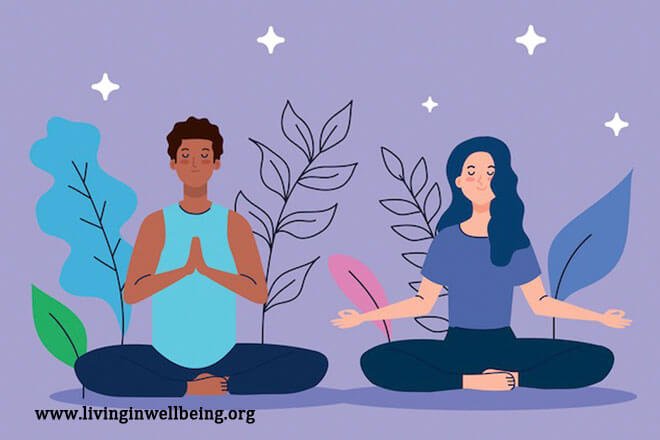
Start small. Sit together for five minutes a day. Breathe. Be present. Notice how conversations shift, patience grows, and connection deepens.
Your relationship deserves this investment of attention. The question isn’t whether meditation works—it’s whether you’re ready to begin.