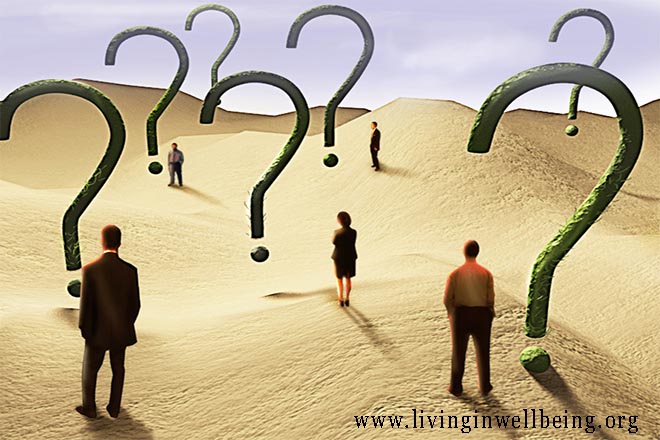
Teenagers are like volcanoes with headphones on. One minute it was quiet, the next it was loud. A small push from friends, a dare that comes up, or even a gaze of approval can change their minds in ways that adults frequently don't understand. But it's not just drama or rebellion; it's biology, psychology, and a complicated search for identity all happening in a brain that is still being built.
The Magnetic Pull of Belonging
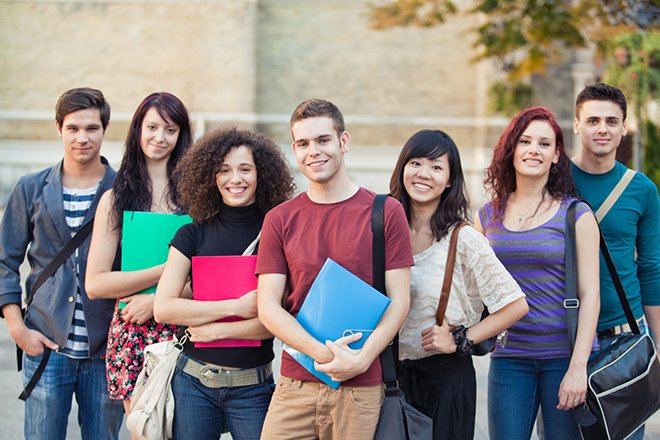
At fifteen, it can feel like you need to belong. When everyone in your group skips class or tries that first pull of a cigarette, it's usually not about the act itself; it's about not being left out. People are social beings, and teens are even more so. Their brains are set up to connect with other people and are always looking for acceptance.
I remember when I was in school and one of my friends started dying their hair bright blue. In less than a week, five of us had the same color of disarray. Not because we all liked the color (one poor boy looked like a peacock), but because that's what it meant to be part of a group.
Psychologists call this "social conformity," but for a teenager, it's not just a theory—it's a way to stay alive. The teenage brain feels social rejection nearly like physical pain. In a literal sense. The same areas of the brain light up. When a teenager says, "Everyone's doing it," they usually mean, "If I don't, I'll be gone."
Brain Being Built—Be Careful
The hard aspect is that the human brain doesn't finish growing until the mid-20s. The prefrontal cortex, which helps us make reasonable decisions, manage our impulses, and plan for the future, is the final part of the brain to mature. At the same time, the limbic system, which controls emotions and seeks rewards, is working at full speed. It's like handing a teen a sports car that doesn't have brakes.
That reward system gets a lot stronger when friends are around. Research from institutions such as Harvard and UCLA indicates that adolescents engage in riskier behavior in the presence of peers, even when the associated reward lacks significance. A simple game with points can become a race to get people to like you.
Think about it: having a friend around can actually change how your brain works. Adults can talk all day about "thinking before you act," but the truth is that a lot of kids aren't really thinking right now.
Still, that turmoil is rather wonderful, isn't it? It's the mind stretching, learning, becoming lost in social mazes, and establishing its own rhythm. Growth doesn't always seem nice.
The Two-Sided Sword of Influence
Not all peer pressure is bad. That's the bit we tend to forget. The same thing that makes a youngster take a dangerous risk might also make them want to join a debate club, volunteer, or study better. Influence is neutral; what matters is the direction. In some schools, being "cool" could imply being successful at sports. In some cases, it's coding or activism. Peer pressure takes different forms depending on the culture, group, and situation. I once met a girl named Meera who used to skip school because her buddies did. Later, she joined a new group of people who were concerned with activism on social media. She was planning awareness efforts within a few months. The same emotional process that had once led her wrong became her guide for making things better. So maybe it's not about getting rid of peer pressure, but about teaching kids how to deal with it and challenge it. Because acting like it doesn't exist? It's like asking the ocean to cease making waves.
The Social Media Echo Chamber
Add in social media, which is like a digital colosseum of likes and follows. Peer pressure used to be limited to the schoolyard, but today it follows you around all the time. One post can turn into a vote on who you are. Teens judge their worth by how many likes they get on social media, which they chase for but never get. But who among us hasn't felt that pull? The lines get blurry online. "Everyone's doing it" goes around the world. A challenge goes viral, and all of a sudden, teens all around the world are doing backflips in their bathrooms or worse. The rush of dopamine from notifications is like the reward loop of drugs, except the drug is attention.
They want to be unique, but they are afraid of being alone. So they copy, blend, and change trends in an effort to stand out. It's a really tiring show. I sometimes wonder if we ever really get over peer pressure, or if we just call it "social expectation."
Family, Fear, and Weak Freedom
Parents sometimes mistake peer pressure for rebellion, when it's more like trying to find your way without a map. Teenagers are trying out different identities, limits, and commitments. They want to be independent, but they also want help, even if they don't want to admit it (and definitely not while rolling their eyes).
Being there for someone is the best way to protect them from bad peer pressure. Talks without judgment and empathy without questioning. The crowd's grasp decreases when a teen feels truly noticed at home.
But agree, it's simpler to say than to accomplish. You try to talk sense into a sixteen-year-old who feels you don't "get it." Even so, little things matter. A quick discussion while driving, a joke you both get, or a story about your own blunders can all be silent anchors.
We shouldn't forget that fear also affects how we make choices. Fear of missing out, fear of being made fun of, fear of not being seen. Peer pressure typically hides behind feelings of insecurity. Outside pressure starts to lose its sting when self-esteem grows stronger roots.
The Chemistry of Options
It's almost poetic how peer pressure and dopamine work together. Dopamine levels rise every time a kid gets approbation, which is a small neurochemical high. The more people chase it, the harder it is to tell the difference between real happiness and borrowed happiness. This is where emotional education needs to come in. Sadly, many schools teach trigonometry before self-awareness and calculus before compassion. What if we turned that around? Think about a curriculum that teaches teens not only that they want to be accepted, but also why they want to be accepted. A place where being weak isn't made fun of, but looked into. Where "being yourself" and "fitting in" might both happen at the same time. Sure, it seems like a dream, but revolutions frequently start quietly.
When Stress Becomes Toxic
Not all peer pressure is bad, of course. It can lead to bullying, drug misuse, risky sexual behavior, or emotional exhaustion. These aren't moral failures; they're signs of a deeper lack of connection. I once talked to a boy who started vaping because, as he described it, "everyone else did." He didn't even enjoy it. But he would lose his buddies if he quit. The reasoning was sad but quite human: health above belonging. That's the main point: teens often make decisions based on how they feel rather than how logical they are. They use their self-worth like money to get people to like them. And by the time they know the exchange rate, it's too late.
The Strength of the Pause
So, how can we help them slow down their impulsive momentum? Teaching the "pause" is very important. Mindfulness, writing in a notebook, or even just taking deep breaths can break the emotional rush long enough for reason to get in. Taking a moment to think before you act—before you say yes or hit "post"—can change your life. But once more, teens won't use these technologies just because we tell them to. They will only do it if they notice the change. So we have to show them how to do it—our calm becomes their guide.
Maybe We're All Still Kids
Here's a thought: peer pressure doesn't go away when you become an adult. Adults still follow the rules, but in a different way. We buy what other people buy, vote the way our friends do, and hold beliefs that keep us secure in our social groups. Maybe teens are more honest about how much they want to fit in. When we say we want to help people, we really mean we want to understand ourselves. After all, the same brain circuits are still buzzing under our adult bodies.
Peer pressure can show you who you are and teach you. It shows teenagers who they aren't before they figure out who they are. Yes, it can make you make bad decisions and hurt you, but it can also make you stronger, more understanding, and more discerning. And maybe that's the true secret: it's not about keeping them from being influenced, but helping them understand it. Instead of asking, "Will they like me for this?" inquire, "Why am I doing this?"
Every choice a kid makes, whether good or poor, is a brushstroke in the mural of becoming. Sometimes messy, sometimes great, but always human.Because growing up doesn't mean saying no to every influence. It's about learning how to swim without getting swept away by the tide.