
Tantra has evolved far beyond its ancient origins to become a meaningful influence in modern wellness, relationships, and personal growth. While often misunderstood or reduced to sexual techniques, authentic tantra is a holistic spiritual philosophy that emphasizes conscious awareness, embodied presence, and deep connection with oneself and others.
In today’s fast-paced, digitally disconnected world, people are increasingly drawn to tantra for its ability to heal emotional wounds, strengthen relationships, and restore balance between mind, body, and spirit. From therapy rooms and yoga studios to leadership coaching and relationship counseling, tantric principles are finding practical, grounded applications in contemporary life.
Understanding Modern Tantra Beyond Myths
One of the biggest misconceptions about tantra is that it revolves solely around sex. Traditional tantra, which emerged in India over 1,500 years ago, views sexuality as just one expression of life energy—not the goal. The word tantra means “to weave” or “to expand,” reflecting its core idea: integrating all aspects of existence rather than separating the spiritual from the physical.
Authentic tantra teaches that everyday experiences—breathing, eating, walking, connecting—can become sacred when approached with awareness. While modern Western adaptations often focus on techniques and performance, traditional tantra emphasizes presence, acceptance, and inner transformation. This distinction matters, because tantra practiced as a worldview leads to lasting change, not just temporary experiences.
The Sacred Union of Mind, Body, and Spirit
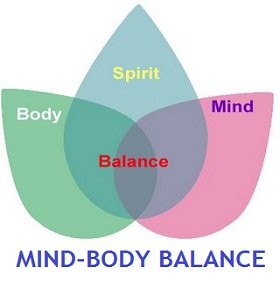
At its heart, tantra rejects the idea that spirituality requires denying the body. Instead, it honors the body as a vessel of consciousness. Thoughts, emotions, and physical sensations are seen as interconnected expressions of the same life force.
Breath plays a central role in this integration. Conscious breathing bridges mental awareness and bodily wisdom while regulating the nervous system—something modern neuroscience now validates. Through breath, tantra cultivates a state of wholeness where opposites such as masculine and feminine, effort and surrender, coexist in harmony.
This “sacred union” is not limited to romantic relationships. It is an internal experience of balance, where inner conflicts dissolve and self-awareness deepens.
Tantra as a Path to Conscious Awareness
Tantric practice develops what is often called witness consciousness—the ability to observe experiences without being overwhelmed by them. This doesn’t mean emotional detachment; it means staying present even during intensity.
Simple practices, such as mindful breathing, conscious eye contact, or fully feeling emotions without rushing to fix them, form the foundation of tantra in daily life. Difficult emotions are treated not as problems, but as energy that can be felt, integrated, and transformed.
This awareness naturally fosters compassion and responsibility. Tantra recognizes that personal healing ripples outward, influencing relationships, communities, and collective wellbeing.
Tantra’s Impact on Modern Relationships
In relationships, tantra shifts the focus from outcomes to connection. Tantric intimacy emphasizes presence, slow engagement, and emotional attunement rather than performance. Partners learn to breathe together, communicate honestly, and create safe spaces for vulnerability.
Conscious communication is a cornerstone of tantric relationships. Listening without interrupting, speaking from the heart, and expressing appreciation regularly help build trust and emotional safety. These practices are especially powerful for healing relationship trauma, as they allow old wounds to surface within a supportive, grounded container.
Creating sacred space—both physical and emotional—further strengthens intimacy. Whether through intentional rituals or dedicated moments of presence, couples cultivate deeper understanding and resilience.
Personal Growth and Emotional Healing
For individual growth, tantra offers powerful tools for self-awareness and emotional release. Breathwork helps regulate the nervous system and reveals unconscious patterns, while body-based practices assist in releasing stored tension and emotional blockages.
Tantra also builds authentic confidence by reconnecting individuals with their bodily intuition and inner wisdom. Grounding practices, mindful movement, and pleasure-based awareness help restore trust in oneself. As inner strength grows, healthy boundaries form naturally, enabling deeper intimacy without self-loss.
Facing and integrating shadow aspects—parts of ourselves we reject or hide—is another key element. Tantra meets these aspects with curiosity and compassion, transforming them into sources of clarity and empowerment.
Professional and Therapeutic Applications
Tantric principles are increasingly integrated into therapy, coaching, creative work, and leadership. Therapists use breath and body awareness to help clients move beyond purely cognitive healing. Coaches apply tantric presence to foster deeper insight and alignment in clients.
In creative fields, sacred geometry and energetic balance influence design, architecture, and visual storytelling. In leadership, tantric values encourage balanced decision-making, emotional intelligence, and sustainable, people-centered organizations.
Navigating Authentic Practice and Cultural Respect
With tantra’s growing popularity, cultural appropriation and commercialization have become serious concerns. Traditional tantric lineages emphasize years of study, ethical discipline, and guided transmission. Authentic teachers openly share their training, respect boundaries, and discourage shortcuts or exaggerated claims.
Genuine tantra requires commitment, self-inquiry, and respect for its Hindu and Buddhist roots. Avoid teachings that promise instant enlightenment or focus solely on sexuality without broader spiritual grounding.
Tantra in Modern Life
Ultimately, tantra offers a grounded yet profound response to modern challenges. It teaches presence in a distracted world, connection in times of isolation, and integration instead of fragmentation. When approached with respect and sincerity, tantra becomes not just a practice—but a way of living consciously and compassionately.