Life is filled with challenges, uncertainties, and unexpected setbacks. Whether it is workplace pressure, financial difficulties, relationship conflicts, or personal disappointments, everyone faces situations that test their emotional strength. The ability to recover from these difficulties and continue moving forward is known as emotional resilience. Emotional resilience does not mean avoiding stress or suppressing emotions. Instead, it is the ability to adapt, learn, and grow through life's challenges.
Developing emotional resilience can improve mental well-being, strengthen relationships, and help individuals maintain confidence during difficult times. The good news is that resilience is not a trait people are born with—it is a skill that can be developed and strengthened over time.
Understand and Accept Your Emotions
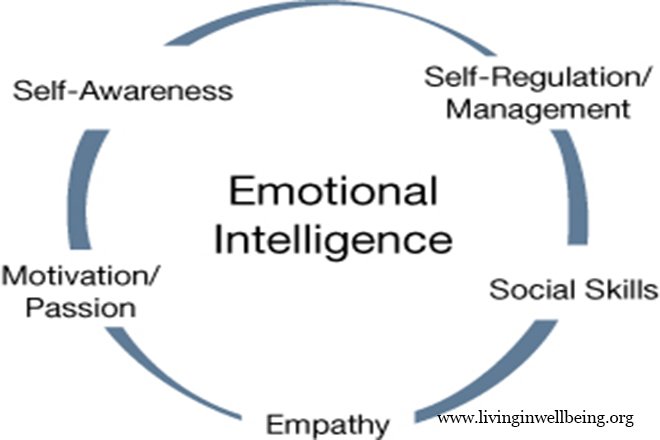
One of the first steps in improving emotional resilience is learning to recognize and accept your emotions. Many people try to ignore feelings such as sadness, frustration, or anxiety, believing that strong people should not experience them. In reality, emotional resilience involves acknowledging emotions without allowing them to control your actions.
When faced with a difficult situation, take a moment to identify what you are feeling. Ask yourself whether you are disappointed, stressed, angry, or fearful. By understanding your emotions, you can respond thoughtfully instead of reacting impulsively.
Develop a Positive Mindset
A positive mindset does not mean pretending everything is perfect. It means focusing on possibilities rather than limitations. Resilient individuals view setbacks as temporary and see challenges as opportunities for growth.
Practice reframing negative thoughts. For example, instead of thinking, "I always fail," try saying, "This situation didn't work out, but I can learn from it." Over time, this shift in thinking can reduce emotional distress and improve your ability to cope with adversity.
Strengthen Your Support Network
Human connection plays a crucial role in emotional resilience. Having trusted friends, family members, or mentors provides emotional support during difficult times. Talking about your concerns can reduce stress and help you gain new perspectives.
Make an effort to maintain meaningful relationships. Reach out to loved ones regularly, participate in community activities, or join groups that share your interests. Strong social connections can provide comfort, encouragement, and practical assistance when needed.
Practice Self-Care Consistently
Physical and emotional health are closely connected. Poor sleep, unhealthy eating habits, and lack of exercise can make it harder to manage stress effectively. Regular self-care helps maintain emotional balance and improves resilience.
Simple self-care habits include:
- Getting 7–8 hours of quality sleep.
- Exercising regularly.
- Eating nutritious meals.
- Staying hydrated.
- Taking breaks when feeling overwhelmed.
- Engaging in hobbies and activities that bring joy.
When you take care of your body, your mind becomes better equipped to handle challenges.
Build Problem-Solving Skills
Resilient people focus on solutions rather than becoming stuck in problems. When facing a difficult situation, break it into smaller, manageable steps. Identify what you can control and take action accordingly.
For example, if financial stress is causing anxiety, create a budget, explore additional income opportunities, or seek professional advice. Taking proactive steps can increase confidence and reduce feelings of helplessness.
Learn Stress Management Techniques
Managing stress effectively is essential for emotional resilience. Techniques such as deep breathing, meditation, mindfulness, and journaling can help calm the mind and improve emotional control.
Even spending a few minutes each day practicing mindfulness can help you become more aware of your thoughts and reactions. This awareness allows you to respond to stressful situations with greater clarity and composure.
Embrace Change and Growth
Change is a natural part of life, yet many people resist it because it creates uncertainty. Emotional resilience grows when you learn to adapt to new circumstances and accept that some situations are beyond your control.
Instead of fearing change, focus on what you can learn from the experience. Every challenge offers an opportunity to develop new skills, gain wisdom, and strengthen your character.
Conclusion
Improving emotional resilience is a lifelong journey that involves self-awareness, positive thinking, healthy habits, and strong relationships. While challenges and setbacks are unavoidable, your response to them determines your ability to grow and thrive. By accepting your emotions, building supportive connections, practicing self-care, and developing effective coping strategies, you can become more resilient and better prepared for life's ups and downs. Emotional resilience is not about avoiding difficulties—it is about facing them with courage, adaptability, and confidence.